Walk into a typical project room mid–ERP project and you’ll feel it — the tension. Deadlines slipping. Budgets “under review.” Team members quietly (or not so quietly) asking themselves, “Will this thing ever actually work?”
It is easy for ERP projects to go off the rails. But here’s the thing: ERP failure is rarely about the software. It’s almost always about people, priorities, and project discipline.
After more than 20 years leading ERP implementations across manufacturing, distribution, and retail, I’ve seen the same patterns play out — and I’ve learned how to stop them before they start.
Let’s look at the most common reasons ERP projects fail… and what you can do differently.
—
1️⃣ Lack of Clear Success Definition
Most projects begin with ambition — “We need a new ERP system.” But ask five stakeholders why and you’ll probably get six different answers.
You need a clear, agreed definition of success as the bedrock to your project. You need a Project Brief that defines:
- The business problem you’re solving
- What success looks like (measurable outcomes)
- The scope — and just as importantly, what’s not in scope
- The key deliverables and risks
When expectations aren’t aligned, you’ll spend the next 18 months arguing about what was promised instead of delivering value.
✅How to fix it: Before you talk to vendors, agree internally on what “done” looks like. Write it down. Get it signed off. Revisit it often.
And if you’ve already started the project, build it now before you go any further.
—
2️⃣Overloaded Project Teams
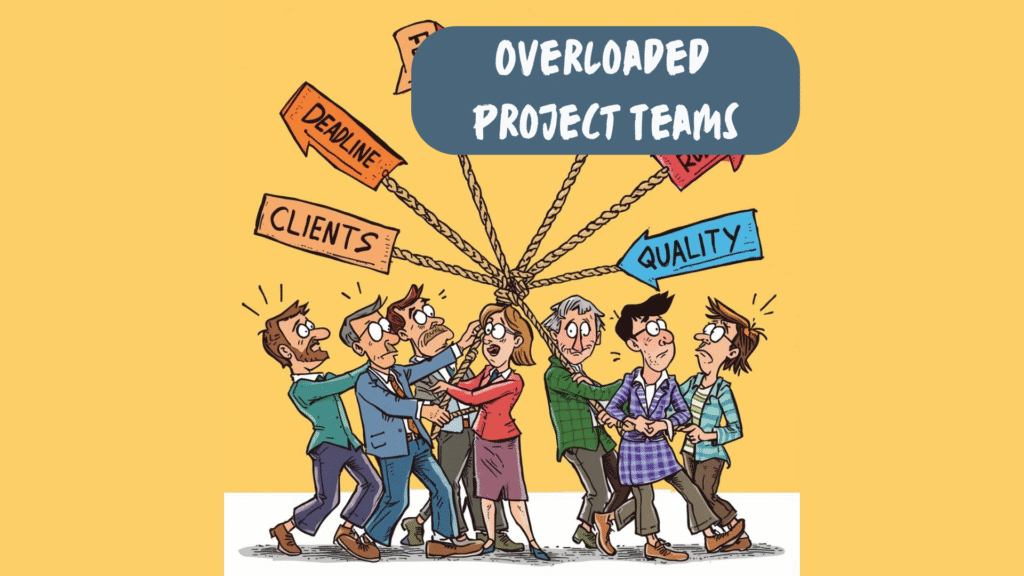
ERP projects often rely on your best people — the very ones already running your business. Then we pile a second full-time job on them: “Just do the implementation on top.”
Burnout follows. Corners get cut. Decisions slow to a crawl.
✅How to fix it: Be realistic about bandwidth. Commit specific days in the week for your best operational managers to focus on the project and backfill their roles for those days. This will give you a core project team who can commit the necessary time and mental energy. These managers will make the best ERP champions and you’ll also improve your future business resilience from the part-time backfill.
—
3️⃣Treating ERP as an IT Project
ERP is not an IT initiative — it’s a business transformation initiative supported by technology. When ownership sits solely with IT, the project can lose sight of commercial reality.
✅How to fix it: Put the business in charge. IT are partners and enablers, but the Project Sponsor must come from the business. ERP success happens when operations, finance, and customer service own the outcome.
—
4️⃣Ignoring Change Management
Even the best-built system will fail if users reject it. Resistance can show up quietly with “workarounds,” or “we’ve always done it this way.”
✅How to fix it: Manage change as deliberately as you manage testing. Communicate early and regularly, involve users in design, and train people until they own the system — not just use it.
—
5️⃣Incomplete Testing
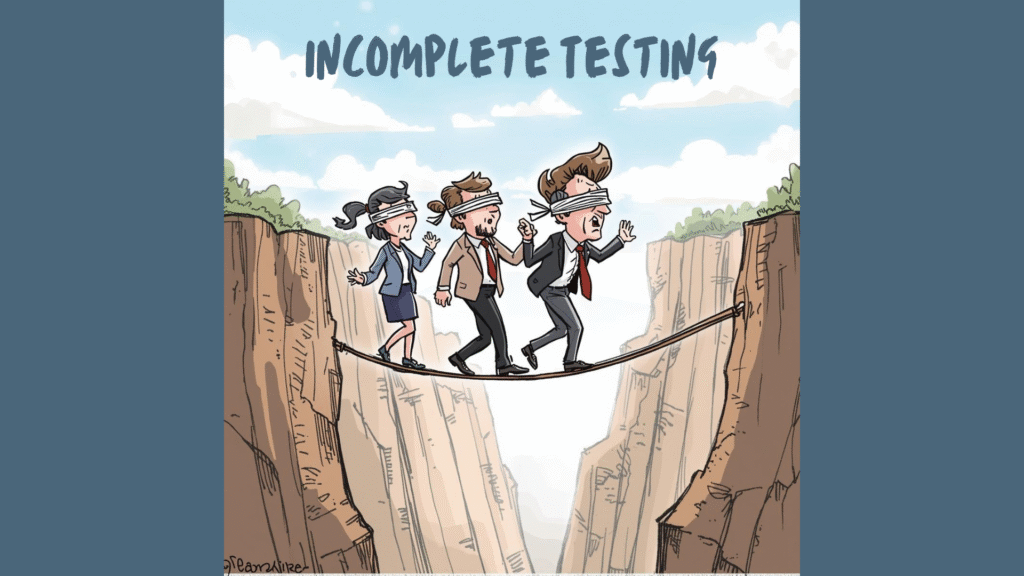
Testing is where good projects become great — and where bad ones implode. But under pressure, testing often gets squeezed. Make sure you foster a culture of open discussion around the quality and depth of your testing.
Otherwise that’s how you discover on day one that you can’t ship the goods.
✅How to fix it: Engage fully in the various testing stages. Core end-to-end testing, Subject Matter Expert testing, Volume testing— they all matter. And if you just can’t get it all done then consider time restricted testing.
—
The Real Lesson
ERP success isn’t about following a single methodology or adopting the latest software. It’s about clarity, communication, and disciplined project management.
The technology will do its job — if you get the people and process parts right.
—
Want to Avoid These Pitfalls?
I help companies plan, deliver, and recover ERP projects with practical, business-focused leadership. If your ERP journey is about to begin, gone off track or you would just like a steer, let’s talk.
Get in touch to discuss your project’s readiness.